
Pakistani Sikh Journalist Alleges Harassment During U.S. Visa Interview in Islamabad
The complaint also raises concerns about possible personal bias, alleging that the officer appeared hostile toward Anila Ali and Mr. Kashif Mirza, another IRF-affiliated figure, and attempted to implicate them without substantiated evidence.
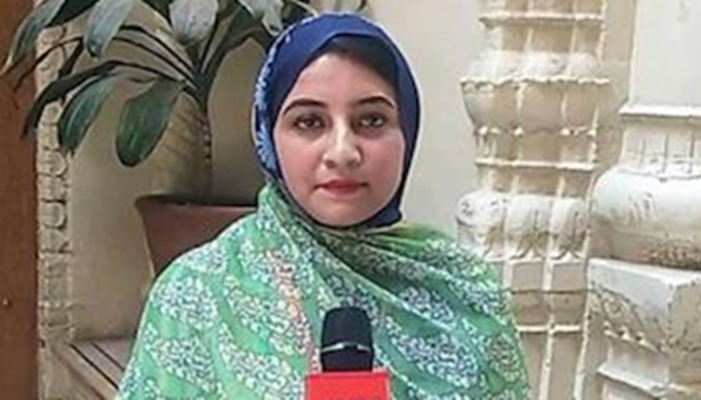
Islamabad: A Pakistani Sikh community leader, journalist, and women’s rights advocate has filed a formal complaint alleging harassment, intimidation, and coercive conduct during her visa interview at the U.S. Embassy in Islamabad.
Mishal Kaur, who is widely recognized as Pakistan’s first Sikh journalist and has previously served as a Board Director with the Government of Pakistan’s Religious Minority Affairs Department, appeared at the U.S. Embassy on 27 January 2026 for a B-2 (visitor) visa interview. According to her complaint, she was traveling to attend a roundtable conference organized by the International Religious Freedom (IRF) organization, where she had been invited and nominated for an award in recognition of her work on women’s empowerment.
In her written account, Kaur stated that she arrived at the embassy around 7:30 a.m. and initially underwent a routine interview with a foreign consular officer. She was later asked to wait and was called around 12:00 noon to Room No. 1, where a second interview was conducted by a Pakistani female visa officer.
Kaur alleges that during this second interview, the tone shifted dramatically and that she was subjected to questioning she describes as harassing, intimidating, and unrelated to visa eligibility. She claims the officer repeatedly accused her of working with a “consultant” and made serious allegations against Ms. Anila Ali, Co-Chair of IRF, asserting that Ali was “fake,” had taken money from her, and had promised her asylum or U.S. nationality.
“These allegations are completely false,” Kaur stated in her complaint, adding that she repeatedly denied any exchange of money or promises of asylum or citizenship. She clarified that her interaction with Anila Ali had been strictly professional and limited to participation in IRF conferences in Pakistan.
Despite her responses, Kaur alleges that the officer continued to apply pressure, repeatedly asking the same questions and claiming—without evidence—that other participants had admitted to paying money. She further alleged that she was threatened during the interview, including warnings that contacting anyone could result in her being taken to an unknown location, and that a negative note placed on her record could destroy her professional career.
According to Kaur, the prolonged questioning created extreme psychological distress, and she felt efforts were made to coerce her into agreeing to statements she says were factually incorrect. She emphasized that if she was considered ineligible for a visa, the application could have been refused without what she describes as intimidation and threats.
The complaint also raises concerns about possible personal bias, alleging that the officer appeared hostile toward Anila Ali and Mr. Kashif Mirza, another IRF-affiliated figure, and attempted to implicate them without substantiated evidence.
In addition, Kaur noted that her husband and two-year-old daughter were made to wait outside the embassy premises from 7:00 a.m. until 3:30 p.m. in adverse weather conditions, causing what she described as unnecessary hardship and distress to her family.
Kaur has formally requested:
-
A review and investigation into the conduct of the officer involved;
-
Clarification on whether such interrogation methods align with U.S. Embassy policies and international standards;
-
Assurance that no statements allegedly obtained under coercion are retained or relied upon in official records.
The U.S. Embassy in Islamabad has not yet publicly responded to the allegations. The complaint has drawn attention among minority rights advocates and journalists, who say the incident raises broader concerns about the treatment of civil society actors and religious minority representatives seeking to engage in international forums on human rights and religious freedom.

No comments yet.