
A Timely Endorsement: Washington Backs Pakistan’s Counterterrorism Efforts
By Junaid Qaiser
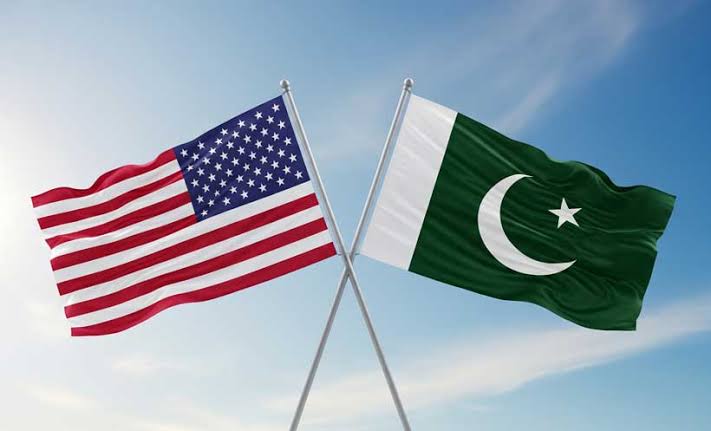
The United States' recent reaffirmation of Pakistan’s right to defend itself against terrorist threats emanating from Afghan territory marks an important moment in the evolving conversation surrounding regional security and counterterrorism. Coming amid renewed tensions along the Pakistan-Afghanistan border and a resurgence of militant violence, the statement reflects a growing recognition of the challenges Pakistan continues to face despite decades of counterterrorism efforts and sacrifice.
According to the US State Department, the Pakistani people have "suffered greatly at the hands of terrorists." While such an acknowledgment may appear routine in diplomatic terms, it carries significance in the current regional context. It underscores an increasingly shared understanding that terrorism remains one of the principal threats to stability in South Asia and that Pakistan continues to bear a substantial portion of that burden.
For more than two decades, Pakistan has been engaged in an extensive struggle against extremist violence. The human cost has been immense. Thousands of civilians, security personnel, and law-enforcement officials have lost their lives in terrorist attacks. Beyond the tragic loss of life, terrorism has imposed severe economic costs, disrupted social development, and diverted resources that could otherwise have been invested in education, health care, and infrastructure.
The country's military operations over the years have significantly degraded the capabilities of numerous militant organizations. Areas once considered epicenters of insurgent activity witnessed improvements in security, enabling displaced communities to return and economic activity to resume. These gains, however, remain vulnerable so long as militant groups retain the ability to operate across borders and exploit regional instability.
It is in this context that Pakistan’s concerns regarding terrorist sanctuaries in Afghanistan must be understood. Islamabad has consistently argued that groups such as the Tehreek-e-Taliban Pakistan (TTP) continue to use Afghan territory to organize, recruit, and launch attacks inside Pakistan. Successive Pakistani governments have raised this issue through diplomatic channels, emphasizing that sustainable peace requires effective action against all militant organizations regardless of their location.
The issue extends beyond bilateral tensions between Islamabad and Kabul. It is fundamentally a regional security challenge. History has repeatedly demonstrated that ungoverned spaces and militant safe havens create conditions that allow extremist movements to flourish. Once established, these networks rarely remain confined within national borders. Their activities often spill over into neighboring countries, undermining security and complicating diplomatic relations.
Recent developments along the border have highlighted the urgency of addressing these concerns. Security incidents and cross-border attacks have contributed to rising tensions, prompting defensive responses from Pakistan. While military measures may at times become necessary to neutralize immediate threats, they do not constitute a long-term solution. Lasting stability can only emerge through sustained cooperation, mutual accountability, and a shared commitment to preventing the use of territory for militant activities.
Civilian casualties associated with conflict remain a matter of serious concern. Every innocent life lost is a tragedy, regardless of nationality. Such incidents should serve as a reminder of the complexity of modern counterterrorism operations, particularly when militant groups operate within or near civilian populations. They also reinforce the need for effective preventive measures that address terrorist infrastructure before violence escalates.
Against this backdrop, Washington’s support for Pakistan’s right to self-defense reflects a broader recognition of the realities confronting the country. It suggests an appreciation that counterterrorism is not solely a domestic challenge for Pakistan but part of a wider regional and international security agenda.
The statement is also noteworthy in light of the broader trajectory of US-Pakistan relations. Bilateral ties have experienced periods of cooperation as well as significant strain over the past two decades. Differences over Afghanistan, counterterrorism strategies, and regional priorities have often complicated the relationship. Yet recent engagement suggests that both countries are seeking a more pragmatic framework based on shared interests rather than past disagreements.
Pakistan remains an important actor in a region that sits at the intersection of South Asia, Central Asia, and the Middle East. Its strategic location, sizeable population, and security capabilities ensure that it will continue to play a central role in discussions concerning regional stability. Washington’s acknowledgment of Pakistan’s security concerns reflects an understanding of this reality.
At the same time, Pakistan has sought to expand its international role beyond traditional security considerations. In recent years, Islamabad has increasingly emphasized diplomacy, regional connectivity, and economic cooperation as key pillars of its foreign policy. This approach recognizes that security and development are closely interconnected. Sustainable peace requires not only effective counterterrorism measures but also stronger economic linkages and political engagement across the region.
The challenge facing Pakistan today is therefore twofold. It must continue protecting its citizens from immediate security threats while simultaneously working toward the broader objective of regional stability. These goals are often portrayed as competing priorities, but in reality they are mutually reinforcing. Security creates the conditions necessary for economic growth and diplomatic engagement, while stronger regional cooperation reduces the likelihood of future conflict.
Afghanistan occupies a particularly important place in this equation. Geography ensures that the destinies of the two countries remain closely linked. A stable Afghanistan would create opportunities for trade, connectivity, and economic integration that could benefit the entire region. Conversely, persistent instability and militant activity will continue to generate security concerns that affect both countries.
For this reason, Pakistan has consistently maintained that dialogue remains essential despite ongoing tensions. While differences between Islamabad and Kabul are real, they should not obscure the broader interest both countries share in combating extremism and promoting stability. Neither side stands to benefit from a cycle of insecurity and mistrust.
The recent US statement should therefore be viewed not as an endorsement of confrontation but as support for a principle recognized under international law: states have the right to protect their citizens and territorial integrity from armed threats. At the same time, it serves as a reminder that military responses alone cannot eliminate the underlying drivers of instability.
The broader lesson is that terrorism remains a collective challenge requiring collective solutions. Militant organizations thrive where governance is weak, cooperation is limited, and political divisions prevent coordinated action. Addressing these conditions requires sustained engagement among regional actors as well as support from the wider international community.
Pakistan’s experience in confronting terrorism has been costly, complex, and often underappreciated. The sacrifices made by its citizens and security forces have contributed not only to national security but also to broader regional stability. Recognition of those sacrifices by international partners is therefore welcome, particularly at a time when the region faces renewed security uncertainties.
As South Asia navigates a rapidly changing geopolitical environment, cooperation against terrorism must remain a priority. The United States’ latest endorsement of Pakistan’s position highlights an important reality: lasting peace cannot be achieved unless all stakeholders address the sources of militancy that continue to threaten regional stability.
For Pakistan, the objective remains clear. It seeks secure borders, peaceful relations with its neighbors, and a region where economic cooperation can replace conflict as the defining feature of interstate relations. Achieving that vision will require patience, diplomacy, and continued vigilance. The recognition of Pakistan’s legitimate security concerns by key international partners is a constructive step in that direction.

No comments yet.