
Islamabad and Washington Recalibrate
By Junaid Qaiser
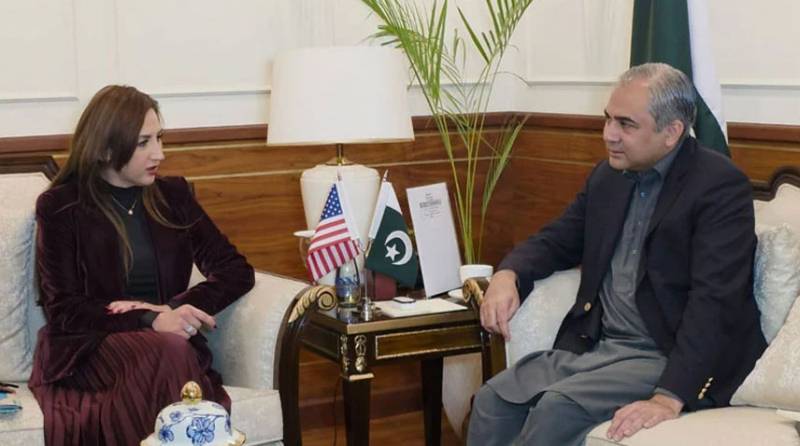
Interior Minister Mohsin Naqvi’s recent meeting with Acting US Ambassador Natalie Baker in Islamabad pointed to something that’s been brewing under the surface: Pakistan and the United States are slipping into a new, more strategic era together. It’s happening slowly, carefully, and with a lot more focus than before.
This time, the agenda ticked the usual boxes — counter-narcotics, intelligence sharing, border management, and illegal migration. But the mood felt different. Washington’s ready to offer more hands-on support, bringing in advanced airport scanners and backing Pakistan’s efforts to tighten up border security. That shows a fresh confidence in Pakistan’s push for internal reforms. On top of that, Islamabad’s move to set up a National Narcotics Coordination Centre isn’t just another quick fix — it’s a real step toward making cooperation stick for the long haul.
The stakes for Pakistan couldn’t be higher. Afghan drugs are still seeping out, poisoning markets from Europe to Southeast Asia. Stopping that flow takes more muscle than any one country can bring to the table. Naqvi’s “zero tolerance” talk wasn’t just for show. He knows that Pakistan’s own stability depends on a security system that’s stronger and better equipped.
What stands out right now is that both sides seem tired of the old crisis-to-crisis routine. Back in November, officials on both sides said it straight: they want to build a real strategic partnership rooted in economic ties, not just security deals. That’s a big shift from the transactional back-and-forth of the past.
Washington, even under President Trump, has kept signaling that Pakistan isn’t just a security partner — it’s a player that can help shape regional energy, infrastructure, and trade. The quiet push for American investment in Pakistan’s minerals, tech, and logistics fits right into that vision.
At the same time, the US doesn’t want Pakistan drifting too far into China’s camp. Islamabad gets that too. With the economy looking shaky, Pakistan needs to keep its options open and balance its big-power friendships.
Then there’s the latest US National Security Strategy. Trump’s team paints him as the ultimate dealmaker, touting peace talks from Kosovo to Gaza, even the tangled mess in the Democratic Republic of Congo. South Asia barely gets a mention, but when it does, it’s about Trump trying to calm India–Pakistan tensions — something that actually boosts Islamabad’s diplomatic standing, especially with those reminders that eight brand-new planes were “essentially” shot down.
Whether all those big claims hold up doesn’t really matter here. What matters is that Washington is putting Pakistan in a more positive light at a time when US–India ties are still going strong. Senator Marco Rubio even went out of his way to say better ties with Islamabad don’t come at New Delhi’s expense — a sign that America’s approach in the region is getting more balanced.
The NSS also sharpens Trump’s focus on immigration at home, and that spills into foreign policy. Now, when Washington brings up illegal migration, trafficking, and border issues, those worries are shaping the way the two countries talk to each other.
Pakistan’s priorities line up with this, too. Smarter airport controls, tighter intelligence, and tracking trafficking rings all help Pakistan just as much as they help the US. These are practical, low-drama areas where the partnership can grow without sparking political headaches.
Of course, old mistrust hasn’t disappeared. Both sides are still cautious, and both know the world around them — with China rising, India getting stronger, and the Middle East shifting — is nothing like it used to be.
But the way they talk to each other has changed. No more endless requests for aid, finger-pointing, or wild hopes for a sudden breakthrough. It’s steadier now, more realistic, and focused on what actually matters in the long run.
That Naqvi–Baker meeting summed up the new mood: quiet on the surface, but full of substance. If Pakistan and the US keep going this way — patient, practical, with no old illusions — they might finally get the stable, interest-driven partnership they’ve been chasing for decades. Something that goes beyond just security.
In the end, Pakistan–US ties really are entering a new strategic chapter. Not with a bang, but quietly — and honestly, that’s usually how the most meaningful diplomacy gets started.


No comments yet.