
Pakistan at the Table: The Board of Peace Meeting That Could Transform Gaza
By Junaid Qaiser
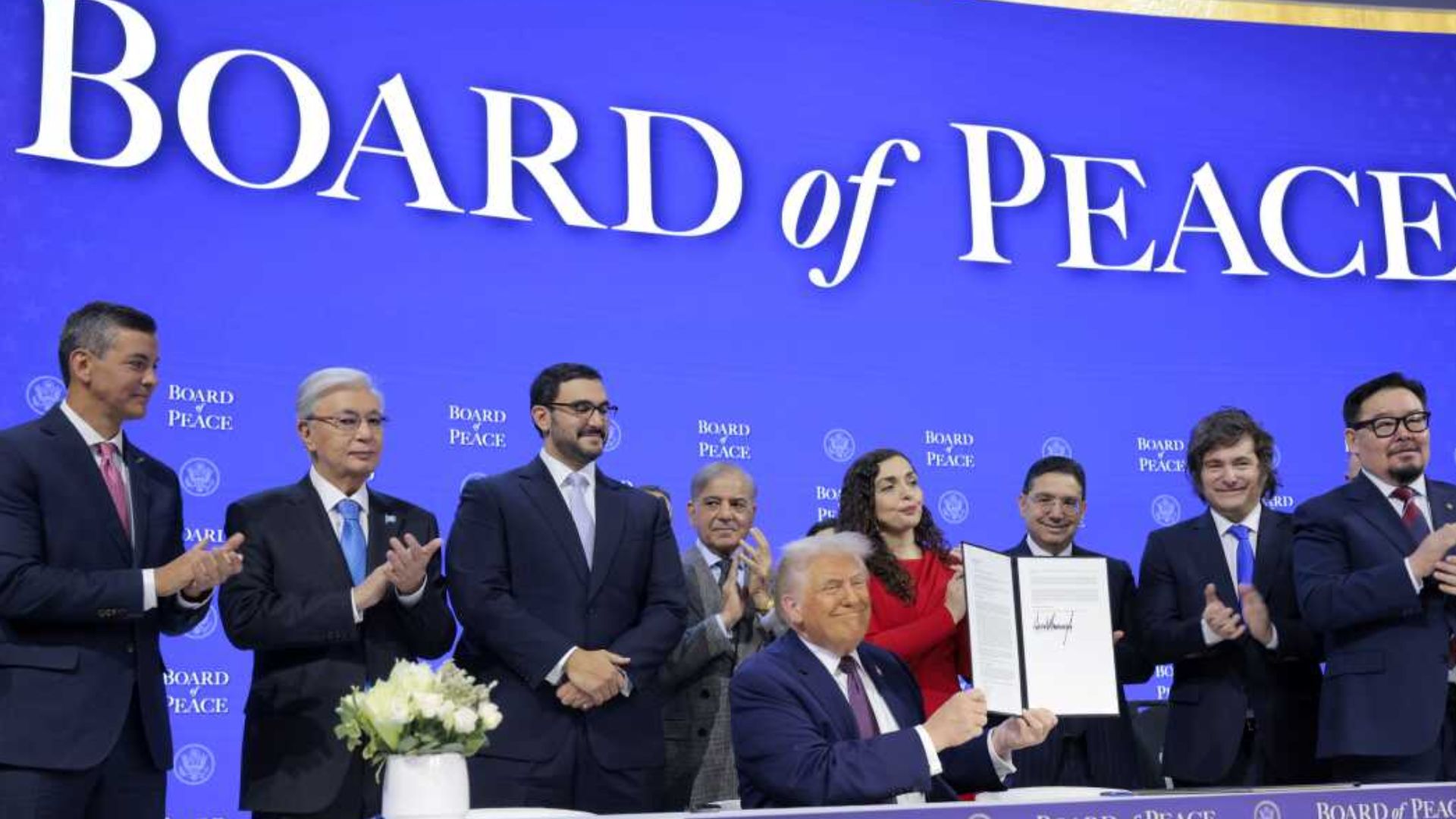
Something significant is taking shape in Washington, and Pakistan is right at the heart of it. On February 19th, leaders from across the globe will gather for the inaugural summit of the Gaza Board of Peace—and Pakistan will be there.
For a region that has been mired in conflict and shattered ceasefires for far too long, the upcoming meeting of the Board of Peace in Washington on February 19 brings a much-needed spark of diplomatic hope. While the suffering in Gaza has been deep and ongoing, this gathering shows that the international community is ready to look past temporary ceasefires and start working towards a sustainable future.
What makes this meeting so crucial isn’t just the attendees, but what it stands for. For the first time in years, Gaza is being addressed within a structured, UN-sanctioned framework that brings together ceasefire monitoring, reconstruction efforts, and governance reform. This move from merely responding to crises to planning for the long haul is a big deal. It shows a growing understanding that lasting peace needs solid institutions, resources, and a commitment from the international community.
With the backing of a UN Security Council mandate, the Board of Peace is set to help guide Gaza through its toughest transition yet: moving from war to recovery. The focus on establishing the board’s structure, mandate, and secretariat is a positive sign. These foundational elements are what past initiatives often missed. Having a clear framework boosts the likelihood that the promises made today will lead to real progress tomorrow.
Pakistan’s role as a founding member of the board comes at a crucial time and carries significant weight. Islamabad has been a steadfast advocate for a fair and lasting resolution to the Palestinian issue, grounded in international law and humanitarian values. By joining the Board of Peace, Pakistan is reaffirming its commitment as a responsible global player dedicated to dialogue, rebuilding, and fostering regional stability. It’s also worth noting Pakistan’s clear approach in setting realistic expectations, ensuring that its involvement is both constructive and principled.
The prospect of Pakistan participating in the first Board of Peace meeting is a positive and constructive step for the Gaza peace process. Prime Minister Shehbaz Sharif is anticipated to be present at the gathering on February 19 in Washington, highlighting Islamabad’s willingness to engage meaningfully in a globally supported initiative that prioritizes peace, governance, and reconstruction over mere security concerns. Pakistan’s invitation, part of efforts to connect with the board’s founding members, showcases confidence in its principled and balanced diplomatic approach. The meeting’s emphasis on establishing the board’s structure, mandate, and secretariat aligns perfectly with Pakistan’s long-standing belief that lasting peace hinges on strong institutions and clear guidance. By tackling the process with a realistic mindset—keeping discussions focused on frameworks and goals while postponing sensitive topics like troop contributions—Pakistan’s involvement would bring credibility, restraint, and a vital focus on long-term stability to this emerging initiative.
The diplomatic timing of the meeting adds to its promise. Israeli Prime Minister Benjamin Netanyahu’s scheduled engagement with the US leadership a day earlier, and the possibility of his participation in the board’s session, opens space for rare multilateral interaction. Even limited dialogue at this level can help rebuild channels of communication that have been frozen by war and mistrust.
Encouragingly, the board’s approach recognises that security and reconstruction must move together. Proposals for monitored demilitarisation, international oversight, and economic revival suggest a serious attempt to balance legitimate security concerns with the urgent needs of Gaza’s civilian population. This integrated approach offers hope that peace will be built not on force alone, but on opportunity and inclusion.
Feeling skeptical about new initiatives is a natural reaction, especially in the context of Gaza. But it’s important to remember that a little cautious optimism can go a long way. The Board of Peace meeting might not lead to immediate changes, but it does promise something even more significant — continuity, structure, and ongoing focus. In a conflict where neglect can be just as damaging as violence, this is definitely a positive sign. For the people of Gaza, peace has often been a topic discussed in distant capitals with little to show for it. This meeting could be a turning point.
If the Board of Peace can successfully rally resources, align international players, and keep the diplomatic dialogue going, it might help Gaza shift from just surviving to truly recovering. In a region that’s seen its fair share of setbacks, even a small opportunity can be crucial. The Board of Peace meeting could mark the start of a more hopeful chapter — one where diplomacy is a regular occurrence, reconstruction is meaningful, and the quest for peace is pursued with patience, realism, and genuine commitment.
No comments yet.