
An Immigration System at Odds With Its Own Values
By Tamoor Sandhu
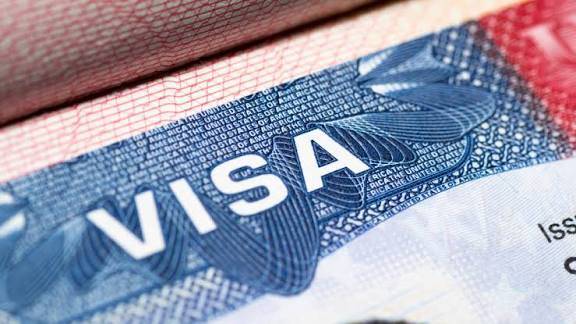
I have known Junaid Qaiser since childhood. We did not become friends through professional networking or shared platforms; we grew up together, shaped by the same questions, the same books, and the same quiet hope that ideas could change societies. Over the years, our paths have taken different turns, but our values have remained remarkably aligned. That is why his recent U.S. visa refusal—and the nature of the questions he faced at the U.S. Embassy in Pakistan—has left me astonished and deeply troubled.
Junaid is not merely a journalist. He is one of Pakistan’s leading Christian writers and intellectual voices, shaped by a deeply literary and principled family tradition. His father, Nazir Qaiser, was a legendary Pakistani poet—awarded the Pride of Performance for his extraordinary contribution to literature. Words, reflection, and moral responsibility were not career choices for Junaid; they were part of his upbringing.
As a Christian, Junaid has consistently stood for religious freedom, interfaith harmony, minority rights, and peaceful coexistence—often in an environment that is openly hostile to such positions. He has written against extremism, antisemitism, and sectarian hatred when it was dangerous to do so. He has defended dialogue when silence would have been safer. These are not fashionable positions in Pakistan. They are courageous ones.
That is precisely why his visa refusal is so disturbing.
What is even more alarming are reports of the questions he was asked. Instead of focusing on the purpose of travel—attendance at an International Religious Freedom Summit—or his professional credentials, the interview reportedly drifted into strange and deeply personal territory: ideological positions, hypothetical travel to other countries, and even questions about the finances and families of individuals who were merely professional colleagues. This was not routine scrutiny. It sounded more like suspicion misplaced—aimed at the wrong person.
As a Christian leader in Pakistan, I cannot avoid asking a larger and more uncomfortable question: what exactly are Western visa policies rewarding—and what are they punishing?
Across much of the Western world, doors often remain open for wealthy individuals, even when their ideological commitments are deeply illiberal or openly hostile to pluralism. Money becomes a substitute for values. Meanwhile, people like Junaid—who may not be wealthy, but are rich in ideas, courage, and moral clarity—are turned away. Writers, human rights defenders, interfaith activists, and minority advocates are treated with suspicion, while radical elements with resources pass through with ease.
This is not just unjust; it is strategically reckless.
Western societies are already paying the price for decades of flawed immigration and integration policies. By prioritizing wealth or bureaucratic convenience over values and worldview, they have imported individuals and networks that reject democracy, equality, and coexistence. At the same time, they have failed to empower voices from within difficult societies who could have been their strongest allies against extremism.
From a Christian perspective, this contradiction is painful. Christianity teaches discernment—not fear. Justice—not blind gatekeeping. The Bible repeatedly warns against mistaking appearances for truth, and against privileging power and wealth over righteousness and wisdom. When peaceful, principled voices are excluded while radical or authoritarian-minded actors gain access, something has gone morally and intellectually wrong.
Junaid Qaiser represents precisely the kind of voice the West should be engaging with: a minority Christian from a Muslim-majority country, rooted in literature, committed to peaceful dialogue, unafraid to challenge extremism, and willing to stand publicly for coexistence. Turning such people away does not make Western societies safer. It makes them poorer—intellectually, morally, and culturally.
Visa policy is not merely administrative. It is a statement of values. It signals who is trusted, who is heard, and who is deemed worthy of participation in global conversations. When those advocating peace, human rights, and interfaith harmony are sidelined, while radicalism continues to find loopholes, the consequences are inevitable.
As someone who has known Junaid since childhood—and as a Christian committed to justice and truth—I believe his case should force reflection. Not just about one visa refusal, but about whether Western countries are truly welcoming those who stand for the very values they claim to defend.
Tamoor Sandhu is Senior Vice President, Christian Business Fellowship Pakistan
Advisor, FGA Bible College, Hyderabad (Sindh)
No comments yet.