
BISP Enters the Digital Age
By Junaid Qaiser
Pakistan’s decision to shift all Benazir Income Support Programme (BISP) payments to digital Social Protection Wallets from the next fiscal year is one such moment. It may not dominate headlines, but for 10 million low-income families—most of them headed by women—it marks a decisive break from an old, broken system.
For years, BISP has been a critical lifeline for the country’s poorest households. However, the process of accessing that support often came at a cost. Long queues, reliance on a single banking agent, unauthorized deductions, and limited access points turned a welfare benefit into an exhausting routine. What should have been a dignified transfer of assistance frequently became a test of patience and vulnerability. The shift to digital wallets is designed to change exactly that.
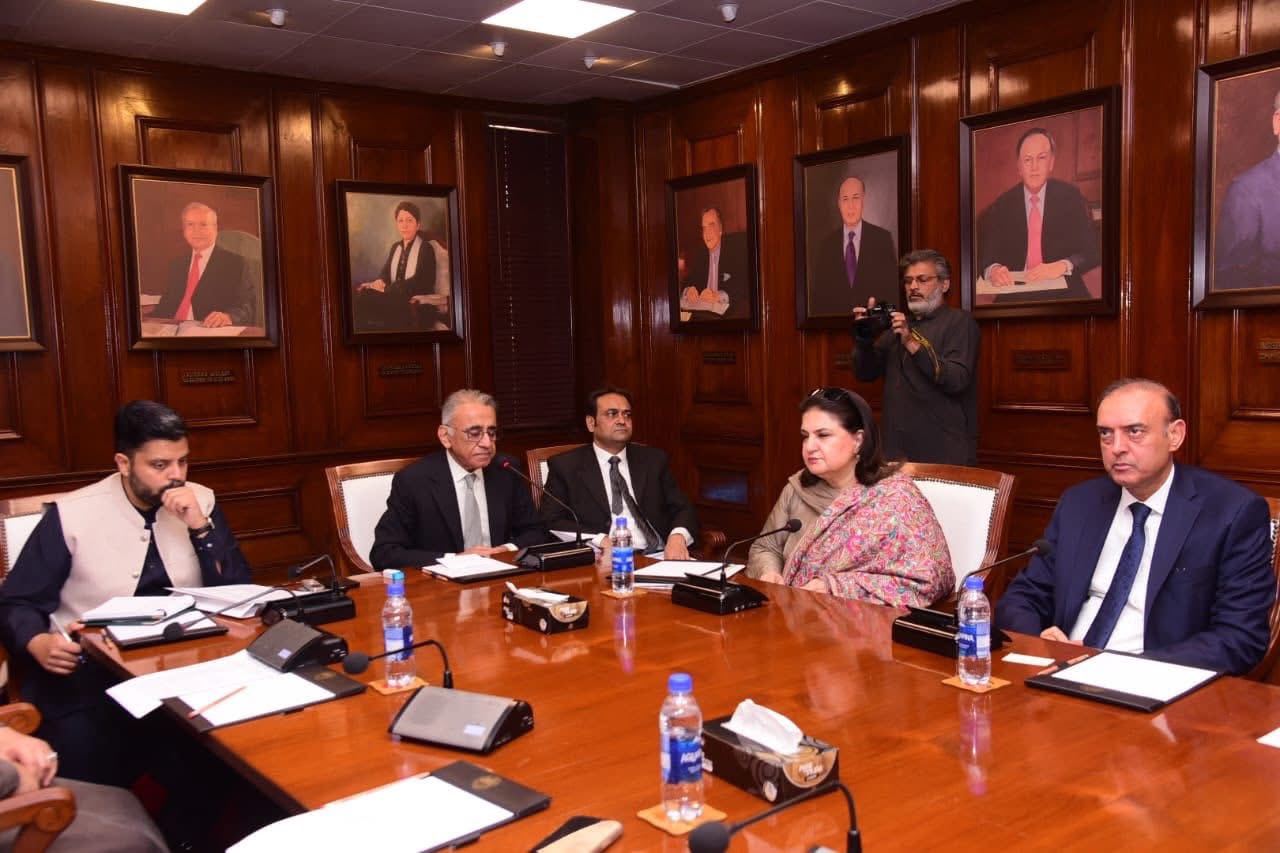
Briefing the National Assembly Standing Committee on Poverty Alleviation and Social Safety, officials confirmed that all 10 million BISP beneficiaries will begin receiving payments through Special Protection Wallets from the new financial year. The pace of implementation indicates a clear sense of urgency. Within just 45 days, 6.7 million SIMs linked to digital wallets have already been distributed, and full activation of BISP accounts is targeted by the final quarter of FY26.
A defining feature of this transition is the move toward interoperability. Six financial institutions—HBL, Bank Alfalah, Bank of Punjab, HBL Microfinance, Easypaisa, and Mobilink Bank—have agreed to jointly create an ecosystem for BISP beneficiaries, while 1LINK will provide agent-level switching. This means beneficiaries will no longer be tied to a single service provider. They will be able to withdraw funds across multiple banks, reducing dependency, breaking monopolistic practices, and limiting opportunities for exploitation at the last mile.
Standing Committee Chairman Mir Ghulam Ali Talpur described the conversion of 10 million beneficiaries to digital wallets as a remarkable achievement, noting that it addresses complaints of deductions and access while promoting competition within the sector. His assessment reflects a broader shift in thinking: social protection is no longer just about disbursing funds, but about how those funds are delivered and experienced by citizens.
The reform’s most powerful impact lies in its effect on women. From its inception, BISP has placed women at the center of social protection, and digitization deepens that commitment. Chairman BISP Senator Rubina Khalid’s description of the inclusion of 10 million women in the formal banking system as a financial revolution is well founded. For many beneficiaries, a digital wallet represents their first direct, independent interaction with a bank—an entry point to financial visibility, autonomy, and respect.
Her emphasis on interoperability and freedom of choice speaks to lived realities on the ground. Choice reduces vulnerability. When beneficiaries are no longer forced to rely on a single outlet or agent, exploitation becomes harder to sustain. Her call for banking leaders to personally visit payment sites is equally important, reminding institutions that technology must respond to human experience, not replace it.
From a macroeconomic perspective, the State Bank of Pakistan’s backing gives the reform additional weight. Governor Jameel Ahmed has underlined that BISP disbursements through banking channels will add over 10 million new customers to the financial system. Beyond strengthening financial inclusion, this expansion supports Pakistan’s gradual transition toward a cashless economy and creates pathways for newly banked citizens to access services such as bill payments, fund transfers, and digital transactions.
Challenges remain. Digital literacy, connectivity issues, and agent behavior will require constant oversight. But these challenges are not reasons to delay progress. They are reminders that reform is a process, not an event.
BISP’s shift to digital Social Protection Wallets is more than a technological upgrade. It is a statement about dignity, choice, and accountability in public welfare. If implemented with care and sustained political will, it has the potential to redefine how the state supports its most vulnerable citizens—and to prove that meaningful reform does not always arrive loudly, but it does leave a lasting impact.

No comments yet.