
A Visa Denial That Demands Reflection
By Hassan Abbas
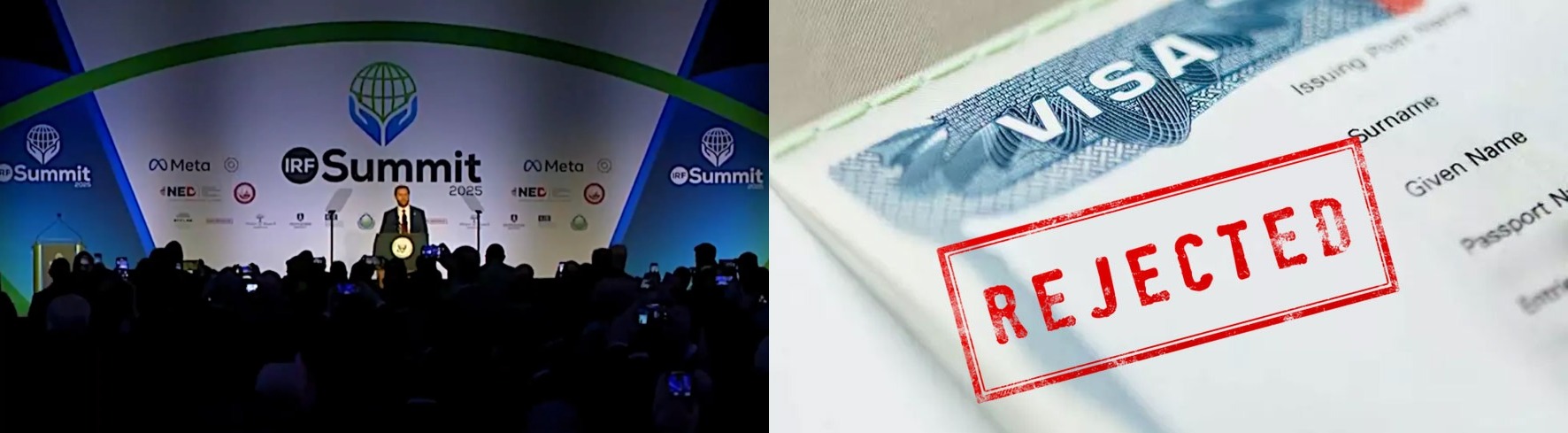
It was both shocking and deeply worrisome to learn of the U.S. visa refusal of Pakistani journalist and writer Junaid Qaiser. I have known Junaid for more than two decades. In all these years, he has remained a consistent voice for peace, moderation, religious freedom, interfaith harmony, and modern democratic values—often at personal and professional risk in a society where such positions are neither popular nor safe.
For someone like Junaid—who has written extensively against extremism, antisemitism, and anti-Americanism—to be denied a visa to attend an International Religious Freedom (IRF) Summit is not merely unfortunate. It is disturbing. More troubling still are the details of the interview process itself, which raise serious questions about judgment, relevance, and priorities.
According to Junaid, the line of questioning he faced went far beyond the scope of a standard visa interview. Instead of focusing on the purpose of travel, professional credentials, or intent to return—long-established pillars of visa adjudication—he was questioned about the personal finances, salary, and even family details of another individual: a professional colleague associated with an American organization. How such questions could be justified in any professional or legal sense is difficult to understand. A visa applicant is not an auditor, investigator, or custodian of another person’s private life.
Equally perplexing was the emphasis placed on ideological positions—particularly Junaid’s views on the Abraham Accords, diplomatic ties with Israel, and regional diplomacy. Whether one agrees with his views or not, they are articulated openly, intellectually, and within the framework of international norms. They are not hidden. His social media presence is public. His writings are published. His record is transparent. To treat such views as a liability rather than an asset is not just unfair—it is counterproductive.
What makes this case especially troubling is the broader message it sends. Western societies today rightly express concern about radicalization, polarization, and the rise of extremist ideologies. Yet cases like this highlight a contradiction at the heart of immigration and visa policies. Too often, visas are effectively granted on the basis of bank balances and financial optics, rather than intellectual contribution, moral courage, or commitment to pluralistic values.
In many authoritarian or semi-authoritarian societies, radical elements enjoy state patronage, protection, and, in some cases, extraordinary wealth. They travel freely. They network globally. Meanwhile, progressive, reform-minded, and intellectually independent voices—those who challenge extremism from within their own societies—are left outside, blocked by bureaucratic suspicion and misplaced caution. Under such conditions, radicalization is not surprising; it is almost inevitable.
Junaid Qaiser’s case should prompt reflection—not only within the U.S. visa system but across Western policymaking circles. If advocates of religious freedom, interfaith dialogue, and normalization are treated with suspicion, while wealth and power become the primary indicators of “eligibility,” then something fundamental has gone wrong.
This is not about one individual alone. It is about what kinds of voices the democratic world chooses to engage with—and which ones it inadvertently silences. If the goal is to counter extremism, promote coexistence, and strengthen liberal values globally, then people like Junaid Qaiser should be welcomed into the conversation, not excluded from it.
A visa denial may seem like a small administrative act. In reality, it can reflect—and shape—much larger moral and strategic choices. This one, at the very least, demands reflection.
Hassan Abbas is a senior journalist with 16 years of experience covering politics and economics. He also serves as the Chief Editor of People's Voice.
No comments yet.