
A Principled Choice: Pakistan and the Board of Peace
By Junaid Qaiser
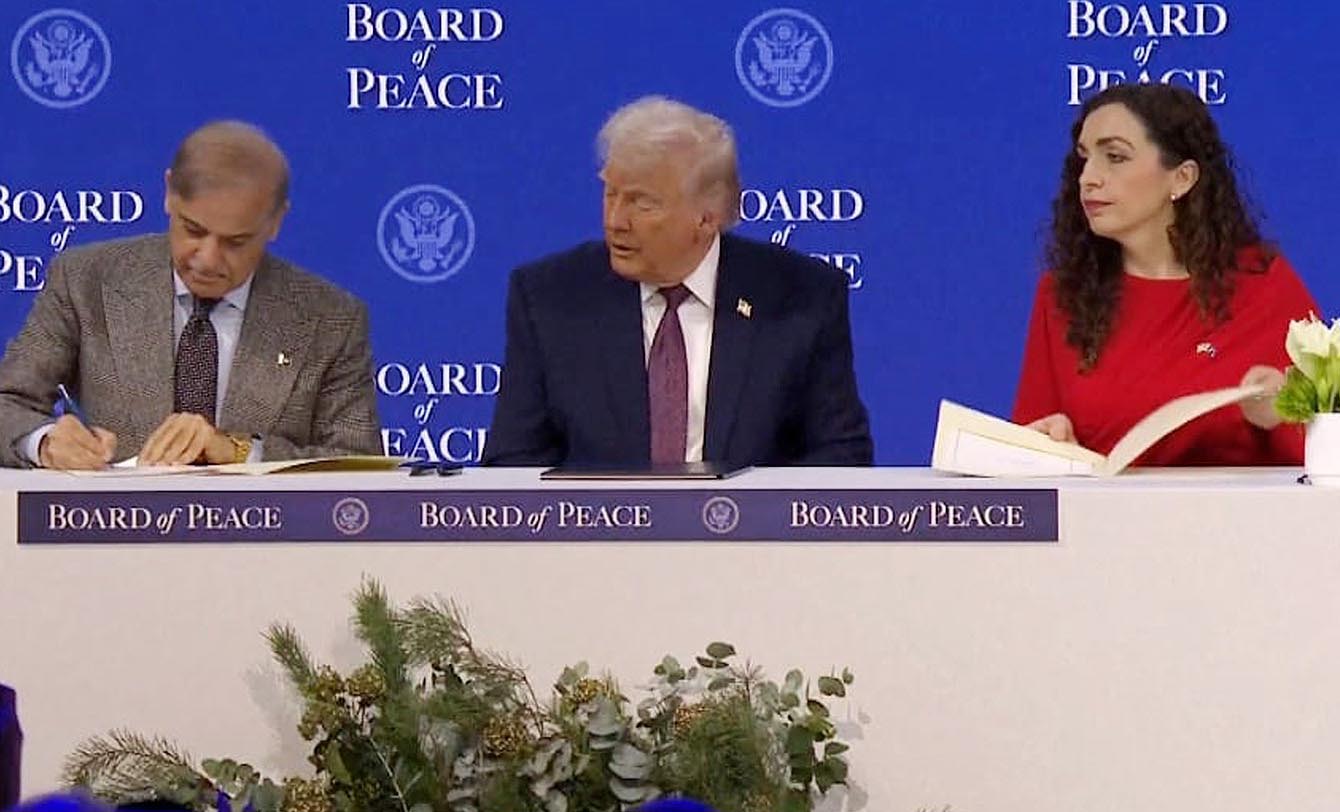
Pakistan’s decision to join the U.S.-led Board of Peace on Gaza reflects a careful balance between principle and pragmatism at a moment when both are in short supply in global diplomacy. At a time when many international actors remain hesitant or divided, Islamabad has chosen engagement over distance, and responsibility over rhetorical comfort.
The Board of Peace traces its origins to President Donald Trump’s 20-step Gaza ceasefire plan announced last October, an initiative designed to move beyond temporary pauses in violence toward a structured post-conflict framework. At its core was a simple but ambitious idea: the creation of an international body to oversee a transitional phase in Gaza, supervise reconstruction, facilitate humanitarian relief, and support modern, accountable governance led by Palestinian technocrats.
Following President Trump’s invitation, the board has so far secured the participation of more than 25 countries, including Egypt, Saudi Arabia, Turkey, the United Arab Emirates, Qatar, Jordan, Indonesia, and now Pakistan. The breadth of this coalition—particularly the strong presence of Muslim-majority nations—has added regional credibility to the initiative and eased concerns that Gaza’s future might once again be shaped without meaningful input from its principal stakeholders.
On January 21, 2026, Pakistan issued a clear and deliberate announcement outlining its intentions and objectives. By joining the board, Islamabad reaffirmed its support for the Gaza Peace Plan under UN Security Council Resolution 2803 and expressed the hope that the initiative would deliver concrete outcomes, including a durable ceasefire, expanded humanitarian assistance, and the reconstruction of Gaza’s devastated infrastructure.
Equally significant was Pakistan’s unambiguous stance on the political endgame. Their position is steadfast and clear-cut—supporting the Palestinian people's right to self-determination through a credible, time-bound process that leads to an independent, sovereign, and contiguous State of Palestine, based on the pre-1967 borders, with Al-Quds Al-Sharif as its capital. By joining the Board of Peace, Pakistan has ensured that this position is part of the decision-making process rather than being left out.
By joining the Board of Peace, Pakistan has seamlessly woven this perspective into its decision-making process instead of leaving it on the sidelines. Engaging through the board allows Pakistan to make a positive contribution; this choice highlights the wisdom of Islamabad’s approach. From a strategic viewpoint, Pakistan’s decision boosts its diplomatic significance at a time when global divisions are deepening. The country has consistently aimed for a foreign policy that steers clear of strict alliances while fostering relationships with all major powers. Being part of the Board of Peace fits perfectly with that strategy, allowing Pakistan to act as a bridge-builder instead of just an observer.
There’s a deeper moral and humanitarian aspect to consider here. The suffering in Gaza hasn’t continued due to a lack of international empathy, but rather because of repeated failures to turn that concern into real, lasting action. The Board of Peace is an effort to bridge that gap. With Pakistan’s involvement, the board gains legitimacy and emphasizes that reconstruction and peace should be grounded in international law, not just political convenience.
In a time when being absent from multilateral discussions often leads to being sidelined, Pakistan’s choice to stay engaged shows strategic wisdom rather than mere opportunism. For Pakistan, the decision wasn’t about choosing between principles and practicality; it was about opting for active involvement over passive observation.
By joining the Board of Peace, Islamabad has made it clear that it wants to influence outcomes rather than just comment on them. The board’s success will ultimately hinge on collective determination, ongoing commitment, and a genuine effort for peace and stability. Pakistan has made its stance clear: for peace to endure, it must be built on legitimacy, inclusion, and purpose.
In this light, Pakistan’s choice is not just timely—it’s rooted in principle.

No comments yet.