
Pakistan’s Seat at Gaza’s Peace Table
By Junaid Qaiser
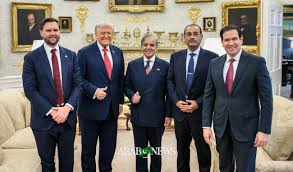
President Donald Trump’s call for various countries to come together on a proposed “Board of Peace” for post-war Gaza represents a notable shift from the usual cycle of ceasefires and crisis management. After more than two years of devastation, Washington is finally looking to tackle the tough, structural issues that have been pushed aside for too long: governance, security, demilitarization, and reconstruction.
For Pakistan, the reported invitation to Prime Minister Shehbaz Sharif is a significant opportunity to engage in one of the most ambitious peace efforts of this decade and to help shape the outcomes from within the process rather than just commenting from the sidelines. With all the destruction in Gaza, Washington’s focus on governance, security, and reconstruction shows a recognition that without solid political and administrative foundations, no ceasefire can truly hold. In this context, Pakistan’s invitation to join the Board of Peace is meaningful. It’s a chance for Islamabad to take an active role in one of the most consequential peace initiatives of recent years.
What sets the Board of Peace apart from previous initiatives is its unique structure and clear purpose. Instead of depending solely on large, often stretched-thin international organizations, this board is crafted to be focused, politically empowered, and driven by results. With President Trump taking a personal interest and key figures like Secretary of State Marco Rubio and Special Envoy Steve Witkoff guiding the efforts, this initiative carries a weight of seriousness that has often been missing in past frameworks. The aim of Phase Two of the Gaza plan is straightforward: to move from fragile ceasefires to a system of technocratic governance, disarmament, and long-term rebuilding.
Pakistan’s commitment to these objectives isn’t a recent development or a coincidence. For years, Islamabad has argued that unresolved conflicts lead to extremism and instability that reach far beyond their immediate surroundings. Thus, ensuring stability in Gaza is not just a humanitarian issue; it’s a strategic one as well. Pakistan’s endorsement of the broader Gaza peace framework, including its support for the relevant UN Security Council resolution in late 2025, highlights this understanding.
With a wealth of experience in UN peacekeeping, Pakistan holds a credibility that few nations can match. Over the past sixty years, Pakistani forces have been involved in some of the most intricate post-conflict scenarios worldwide. This background is what makes Islamabad a credible candidate for stabilization efforts and why its role in governance-related bodies like the Board of Peace is taken seriously. When Pakistani leaders express pride in such involvement, it’s a reflection of this rich legacy.
It’s crucial to note that having a seat at the peace table in Gaza doesn’t lessen Pakistan’s strong support for Palestinian rights. In fact, being engaged from within allows Pakistan to advocate more effectively for Palestinian interests during key discussions about governance models, reconstruction priorities, and security arrangements. Their presence ensures that the voices from the Muslim world and the Global South are not just an afterthought but a vital part of the conversation.
There's a wider diplomatic aspect to consider here. By actively participating in this initiative, Pakistan can strengthen its ties with the United States, especially at a time when Washington is focusing on shared responsibilities and practical cooperation. Instead of just engaging in transactional relationships, this is a prime opportunity for Pakistan to showcase its leadership, capabilities, and reliability on the global stage.
Domestically, this involvement can be communicated clearly and confidently. With transparency and oversight from Parliament, Pakistan can position its role not as a mere alignment with power politics, but as a true reflection of its national values—supporting peace, justice, and the protection of civilians. In today's world, global influence is gained through active participation, not by keeping a distance.
Pakistan's potential role in the Board of Peace presents a chance to shift from mere expressions of concern to real, impactful actions. If Phase Two can successfully turn political intentions into effective governance, security, and reconstruction efforts on the ground, it could signify a real turning point for Gaza. If Pakistan approaches its role at the peace table with clarity and purpose, it can help ensure that this opportunity is fully realized.
No comments yet.