
Karamay City Hosts First International Cultural Communication Event
Experts Discuss Energy Transition, Culture–Tourism Integration, and AI-Era Journalism
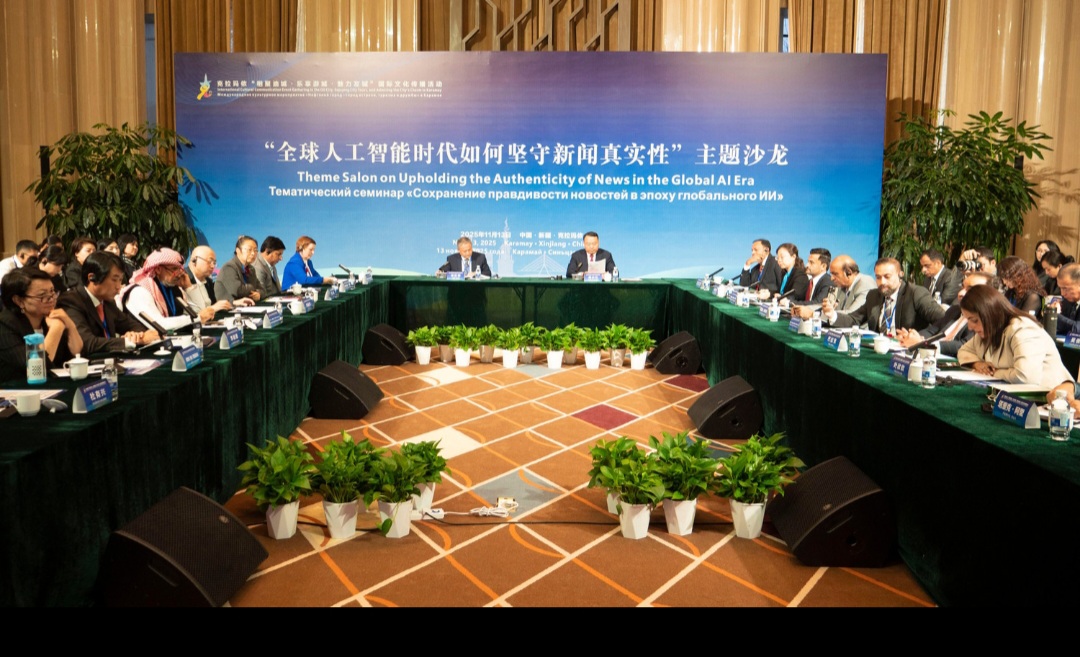
Karamay, China: The international cultural communication event “Gathering in the Oil City, Enjoying City Tours, and Admiring the City’s Charm” concluded in Karamay, Xinjiang Uygur Autonomous Region, bringing together more than 40 international experts, scholars, and journalists for cultural exchange, in-depth dialogues, and a comprehensive city tour. The event, launched to showcase Karamay’s urban image and promote mutual learning, was opened by Ma Xueliang, Secretary of the CPC Karamay Municipal Committee, while Chen Xueliang, Deputy Head of the Publicity Department of the Xinjiang Uygur Autonomous Region CPC Committee, addressed participants. Guests toured key cultural and industrial sites, including the Karamay Museum, historic Black Oil Mountain, the world-famous Devil’s City, Karamay Hospital, the University of Petrochemicals, and a community center.
In parallel with the field visit, three high-level salons were held, bringing together experts from energy, culture, tourism, technology, media, and finance. At the salon on “Practicing ESG Concepts and Promoting Green Energy Transition,” speakers highlighted ESG as a driving force for innovation and high-quality development.
A second salon on the integration of culture, sports, and tourism explored how Karamay can deepen its emerging identity as the “Fashion Capital of Wilderness Journeys.” Experts noted the city’s distinctive assets, from the Devil’s City and Duku Highway to low-altitude flight tourism and motorsports.
The final salon, themed “How to Uphold the Truthfulness of News in the Global Artificial Intelligence Era,” brought together media leaders from Pakistan, Egypt, Russia, Algeria, and China to examine misinformation, deepfakes, and the rapid evolution of AI tools. Participants agreed that while AI enhances efficiency, it also intensifies risks related to false content and algorithmic bias. Saudi media consultant Khalid Sayim remarked that “machines can organize words and sentences, but only humans can give them meaning,” while APP China bureau head Asghar Mohammed stressed that AI “cannot replace human judgment or moral responsibility,” calling for cross-border fact-checking mechanisms. Egyptian editor-in-chief Khaled Mehran warned that more than 1,500 news websites now rely entirely on AI, risking the erosion of journalistic standards and public trust. Algerian senior journalist Zainati Said urged the development of digital verification tools and modern ethics codes, while young Egyptian journalist Ye Xinxin encouraged media professionals to pursue “triple accuracy” in language, culture, and facts.
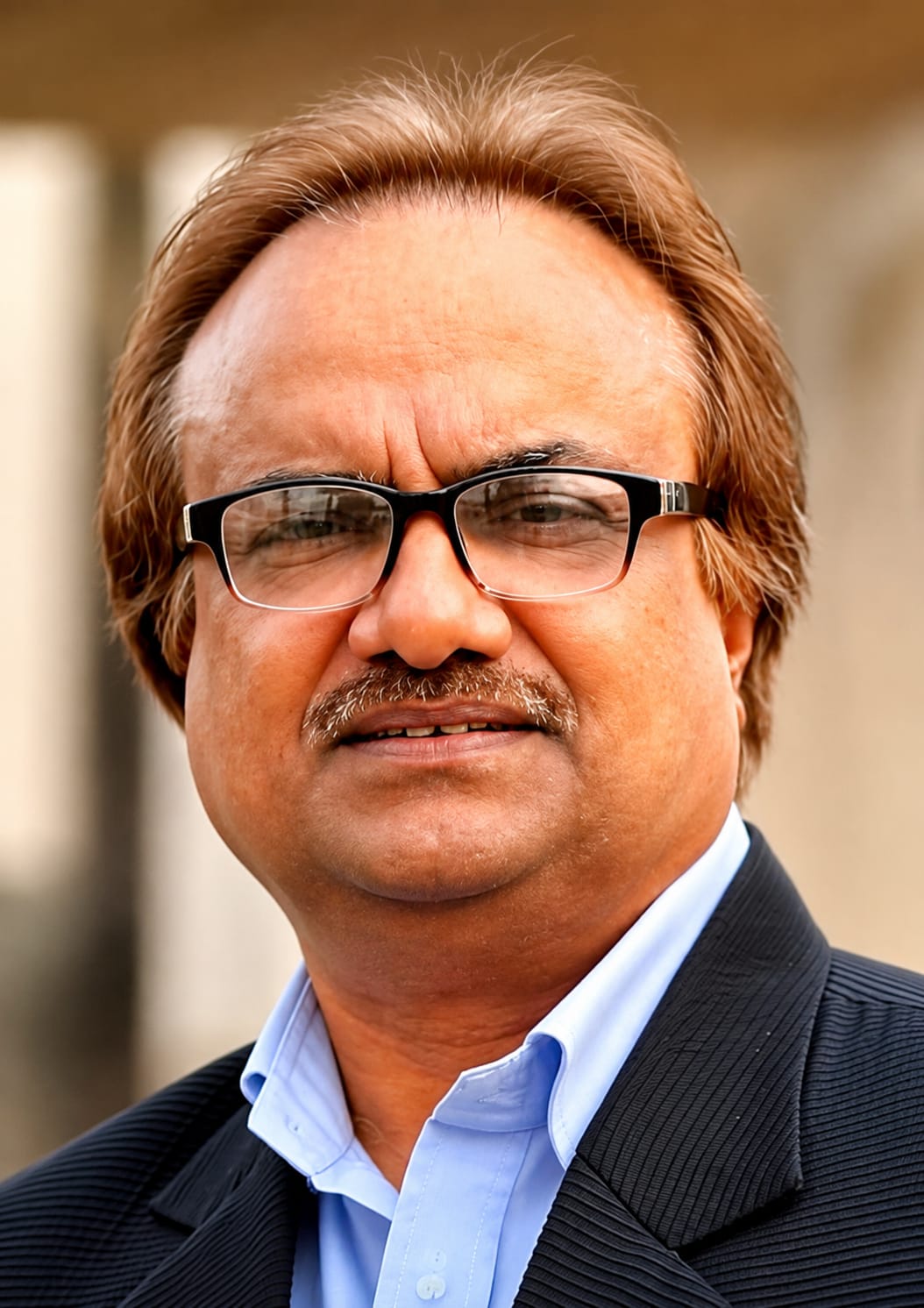
Tehzeeb Hussain Bercha, a researcher at the Pakistan-China Institute, warned that while AI enhances creativity, it also enables large-scale manipulation, making verification vital for journalists. Drawing on his experiences from Gilgit-Baltistan to Russia and Xinjiang, he said many Western narratives often contradict realities on the ground, including portrayals of Xinjiang and CPEC. He urged Pakistan, China, and the Global South to strengthen AI-enabled fact-checking, deepen media cooperation, and amplify genuine community voices to safeguard news authenticity in the AI era.
Li Wuzhou of the China Foreign Languages Publishing Administration concluded that AI remains a double-edged sword and that the truthfulness of news is both a professional requirement and a societal responsibility. Despite the short duration of their stay, delegates said they were impressed by Karamay’s blend of industrial heritage, cultural richness, and forward-looking development.

No comments yet.